Our Shiba Inu blog
Genetics, history, selection and care of the Shiba Inu: in-depth articles written by people who have bred Shiba Inu methodically for years. No unnecessary jargon, just the facts and the bloodlines that set us apart.
Basic Training for the Shiba Inu: Reinforcement, Timing and Commands
Contents
- The here and now: the golden rule
- Positive reinforcement: how to really reward
- Correcting with technique (not out of anger)
- The first commands: name-come, sit, stay, leave it
- Training yourself before the dog
- In short
Summary
The Shiba lives in the here and now: rewards and corrections only work if they arrive in that moment. Everything else is noise.
Walking the Shiba Inu: How the Relationship Is Built
Contents
- The star: when the puppy circles around you
- The lead as communication, not coercion
- Mistakes to avoid
- Postural handling
- Long line and retractable lead: yes or no?
- Walks as the mirror of the relationship
- Who are you to the dog?
- In short
Summary
The lead is not a means of control: it is a means of communication. And the walk is where the relationship is built and consolidated step by step.
Feeding the Shiba Inu: Weaning, Portions and Mistakes to Avoid
Contents
- The adult: weight under control?
- The 3 most common mistakes
- Homemade vs industrial: our position
- Water, treats and chews
- In short
Summary
The Shiba does not need complicated diets: it needs quality food in the right quantities.
Shiba Inu Recall: Why It Does Not Come Back (and How to Build It)
Contents
- The Shiba does not listen: stubbornness or functional independence?
- Recall is built at 60 days
- Mistakes that ruin recall
- When a trainer is needed (and which one)
- In short
Summary
Your Shiba is not disobeying you: it decides. Recall is not demanded — it is built, starting from the first sixty days.
Shiba Inu Health and Lifespan: How Long They Live, What to Fear, What We Test
Contents
- How long does a Shiba Inu live
- Patellar luxation: the patella test
- Hip and elbow dysplasia: joints that do not fit
- Hereditary eye diseases: cataract, retina, eyelids
- Allergies, dermatitis and otitis: skin and ears as sentinels
- The Shinjukawa protocol: what we really test
- In short
Summary
A healthy Shiba can be luck: more often it is the result of tested parents, correct management and constant prevention.
Parasites in a Shiba Inu puppy: prevention, prevention, prevention!
Contents
- Prevention starts with us
- Intestinal worms
- Fleas and ticks
- Leishmaniasis: a serious disease
- Never self-medicate
- In short
Summary
Parasites are not a drama: all it takes is proper prevention.
How much does a Shiba Inu cost: what determines the value (and why we don't publish a price list)
Contents
- What determines the value of a puppy
- Why we don't publish a price
- The hidden cost of a "low price"
- What to ask a breeder, beyond the price
- In short
Summary
"Do you have puppies available, and how much does a Shiba Inu puppy cost?" are often the first questions we are asked — and they are exactly the ones that put you in a bad light.
Grooming a Shiba Inu: the double coat and how to care for it
Contents
- How the double coat works
- Shedding twice a year
- The bath: less than you think
- Never clip a Shiba
- Nails, ears and teeth
- In short
Summary
The coat is the Shiba Inu's calling card: dense, crisp, with the urajiro drawing the cheeks and chest. The good news is that the Shiba is among the cleanest and simplest breeds to manage — it has an almost feline relationship with its own hygiene. There is only one specificity to understand: the double coat. Those who understand it get simple grooming and a dog that always looks tidy; those who ignore it find the house full of clouds of hair twice a year.
What the Nippo Show is and why it is different
Contents
- The difference between the FCI and the Nippo standard
- Why taking part in the Nippo Show matters
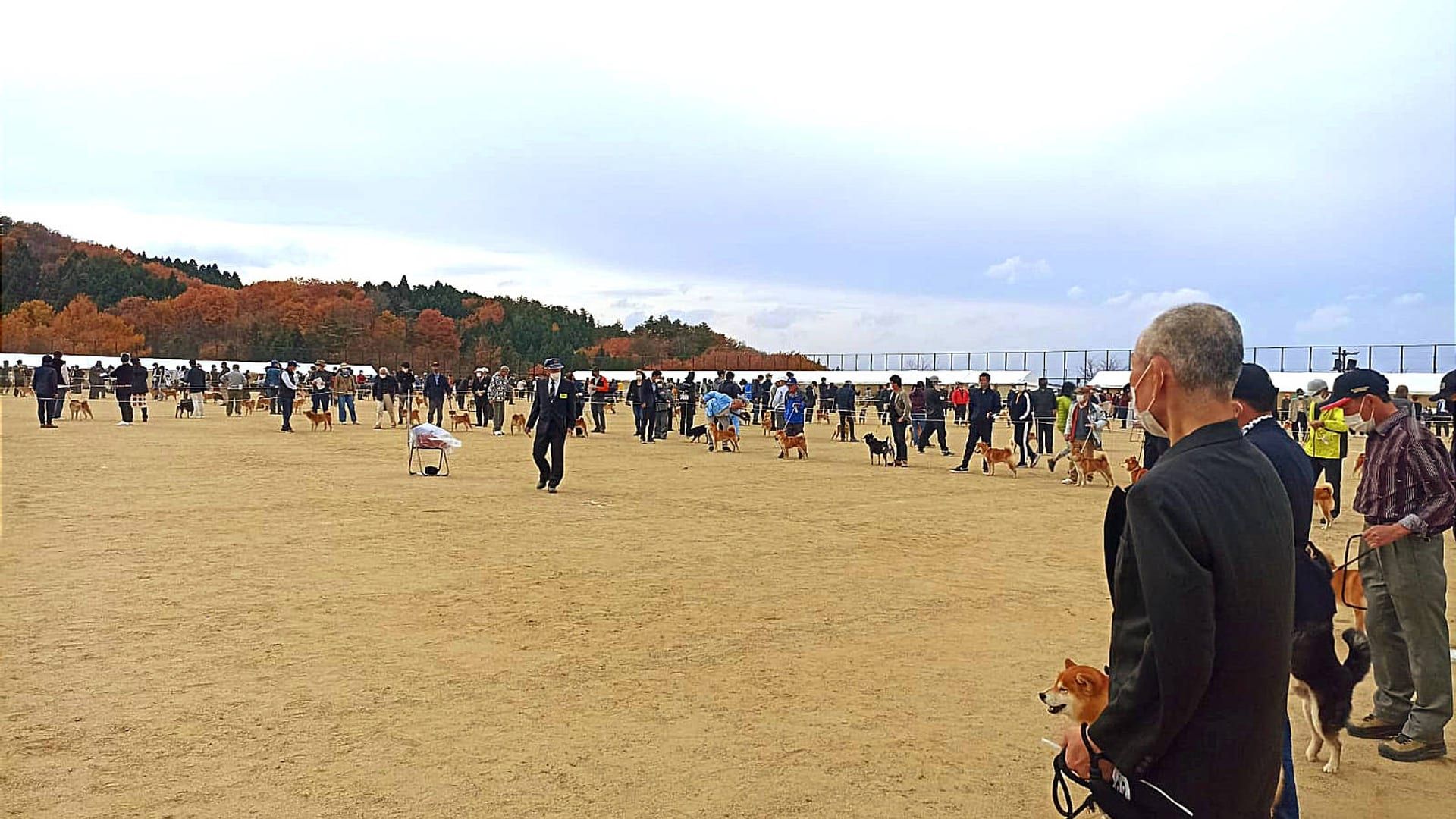
- Our Nippo Show in Padenghe — 26 May 2019
- At the Grand National in Japan — a unique record
- What the Nippo Show means for those who choose a puppy
Summary
The Nippo Show is the exhibition organised by the Nippo (Nihon Ken Hozonkai), the Japanese association for the preservation of Japan's native dog breeds. Unlike FCI/ENCI shows, where the Shiba is judged according to the international standard, at the Nippo Show the evaluation follows the original Japanese standard — more technical, stricter and focused on the preservation of the authentic type.
The interview and conscious matching — how we choose owners
Contents
- Why we hold an interview
- How we match puppy and family
- The Shiba is not a dog for everyone
- The journey: from booking to delivery
- After the adoption: a relationship that lasts over time
Summary
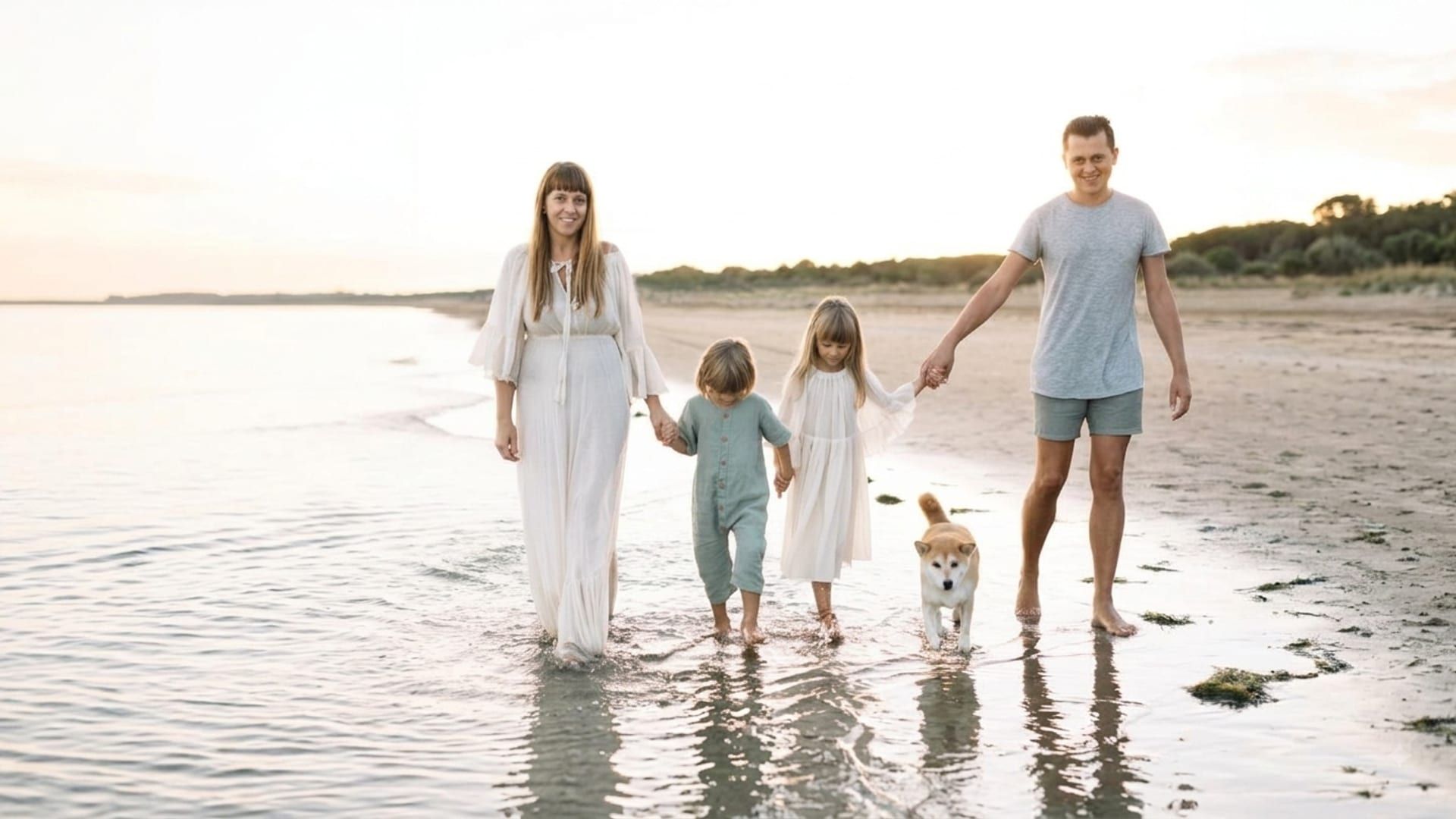
Every Shinjukawa adoption begins with a phone interview. It is not a formality: it is the first step of a matching process that aims to find the right puppy for the right family — not the other way around. It is not choosing from a catalogue; it is building a bond that lasts a lifetime.
Educators and trainers, not just breeders
Contents
- What the CEPAS certification means
- What it means to be ENCI trainers
- How breeding changes
- The value for those who adopt
- The ENCI-ANMVI Master Canine Breeder
- Why all of this matters
Summary
At Shinjukawa we are not just breeders. We are both Canine Educators and have obtained the CEPAS European Dog Trainer Professional certification — and are ENCI Canine Trainers. Myriam has additionally obtained the ANMVI-ENCI Master Canine Breeder qualification. These credentials are not medals hung on the wall: they are tools we use every day in our work with our dogs and with the families who adopt them.
Prenatal stimulation and neonatal development: what we do before and after birth
Contents
- The science of prenatal development
- Gestational enrichment — what the research says
- What we do during gestation
- The critical window — from birth to the first 16 days of life
- Beyond the protocol — what really matters
- The role of the mother — and why her maturity matters
- From weaning to delivery
- Why all of this matters for your puppy
Summary
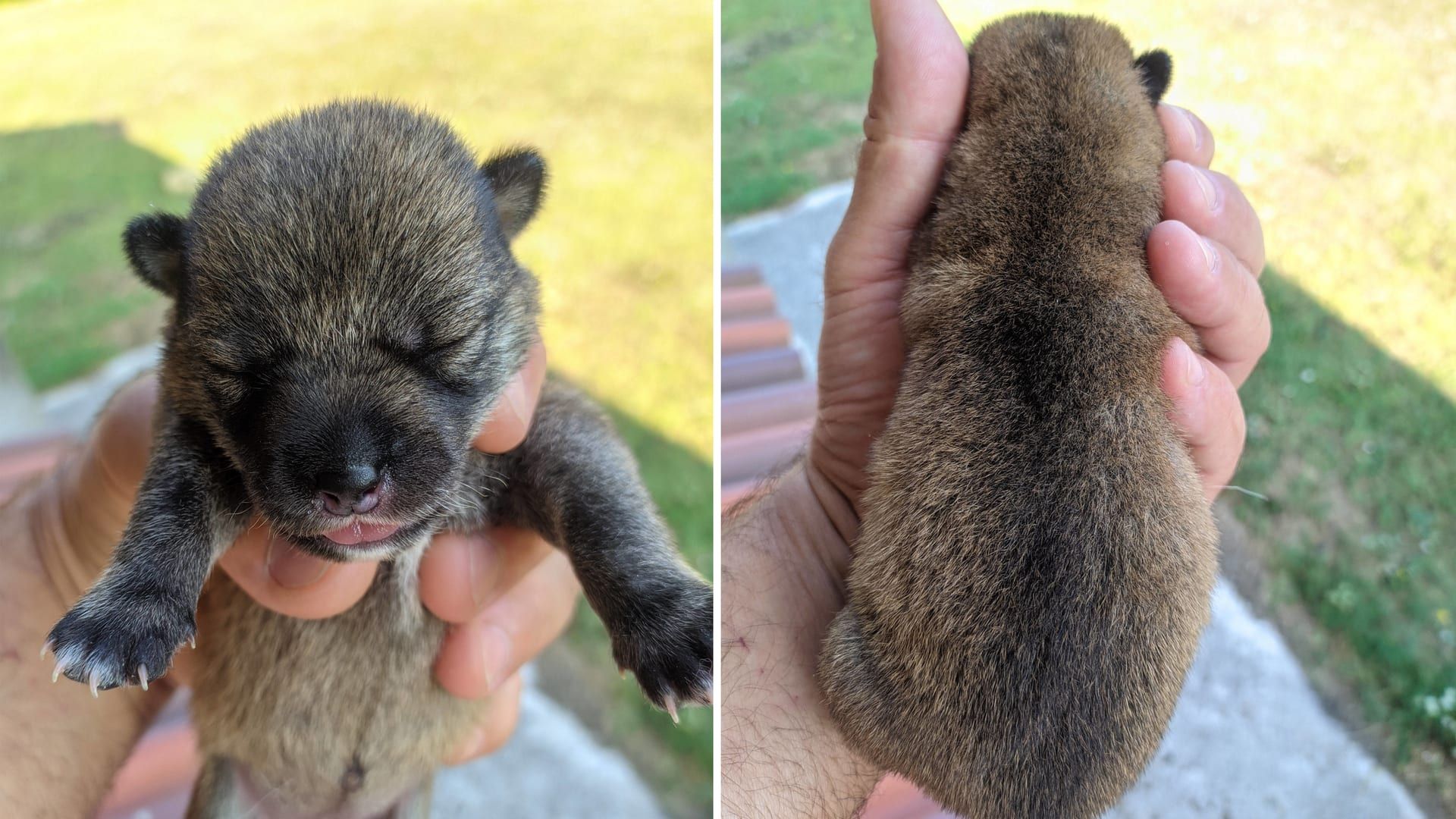
A puppy does not begin to form on the day it is born. Neurological, emotional and behavioural development begins in the mother's womb and passes through critical phases in the first weeks of life, when the nervous system is extraordinarily plastic and receptive. Science has shown that the mother's experiences during gestation, the stimulations in the first days of life and the quality of maternal care measurably influence the temperament and resilience of the adult dog. At Shinjukawa, this is not a theoretical concept: it is a protocol we apply to every litter, from pregnancy to weaning.
How breeding works today — genomics, data and technology in selection
Contents
- Genomic selection and DNA testing
- Health screening and phenotyping
- Assisted reproductive technologies
- Computer science and data management
- Temperament evaluation and bio-sensorics
- European legislation — a historic change
- How we work at Shinjukawa
Summary
Modern dog breeding is profoundly different from what it was twenty years ago. The integration of advanced genomics, digitalized health screening, assisted reproductive technologies and biometric data monitoring has transformed selection from an art based on eye and experience into a discipline that combines intuition and science. The goal remains the same as ever — improving health, morphology and temperament while minimizing hereditary diseases — but the tools to achieve it have changed radically.
The MyDog DNA protocol: 240+ genetic tests to safeguard health
Contents
- What the MyDog DNA protocol is
- Why Vetogene and the University of Milan
- What else we test besides genetics
- Where to find and how to read the test results
- What it means for your puppy
Summary
The MyDog DNA protocol, certified by the Vetogene laboratories — a spin-off of the University of Milan — is currently the most advanced solution available for parentage testing according to the ISAG 2020 profiling standard and for monitoring and preventing hereditary genetic disorders. Since 2025, together with clinical tests for hip dysplasia, patellar luxation and eye diseases, this screening forms the foundation of our selection.
How to read an ENCI pedigree: what it contains and what we look for
Contents
- What a pedigree is and what it really certifies
- What we look for when reading a pedigree
- The difference between knowing a pedigree and reading the names in it
- Why "pedigrees may all look the same, but they are not"
Summary
Not all pedigrees are the same. An ENCI pedigree certifies the genealogy of a dog, but the difference between any pedigree and one that represents a true guarantee of quality lies in the depth of knowledge the breeder has of those bloodlines. We have been working with the same lines since 2010, and we have full genealogical traceability back to the great-great-grandparents of every puppy.
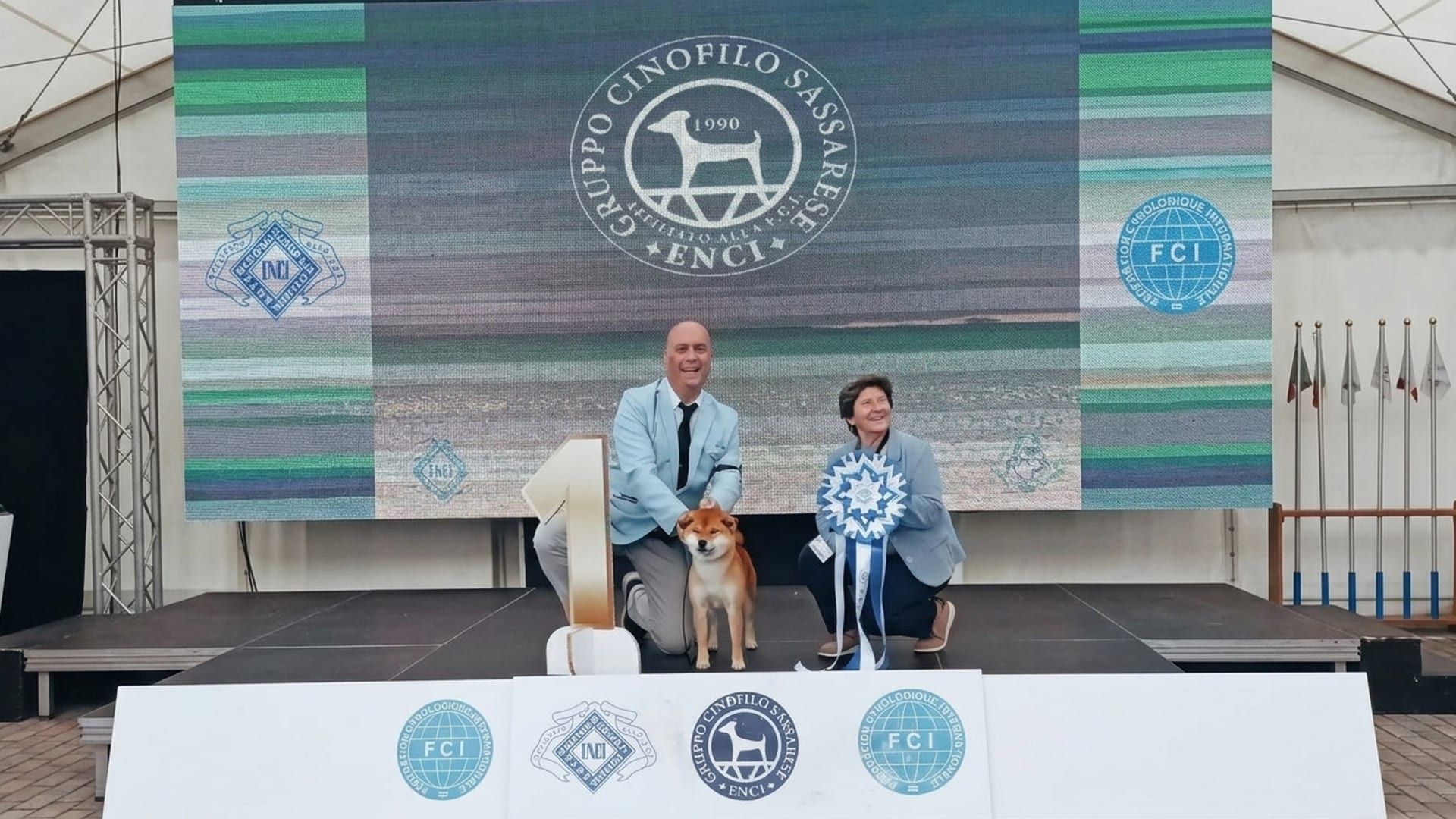
Why in Shinjukawa every breeding dog is a champion first
Contents
- What being a champion means
- Why "the champion stud" is not enough
- A path that takes years, not months
- The numbers speak
Summary
In many kennels, only one or two dogs are champions — the "showcase dogs" — while the rest of the breeding dogs have never set foot in a show ring. At Shinjukawa every single breeding dog, male or female, has achieved at least one championship title before being admitted to reproduction. It is not a marketing choice, it is our selection philosophy.
On the same bloodlines since 2010: what traceability to great-grandparents means
Contents
- Why continuity on the same lines matters
- The difference with those who buy dogs from outside
- What those who look at our pedigrees see
- Why it matters for you choosing a puppy
Summary
We have been breeding Shiba Inu since 2010 on the same bloodlines. This means that we personally know not only the parents of every puppy, but also the grandparents and great-grandparents — because many of them were born and raised in our kennel. It is a depth of knowledge that very few breeding operations can offer.
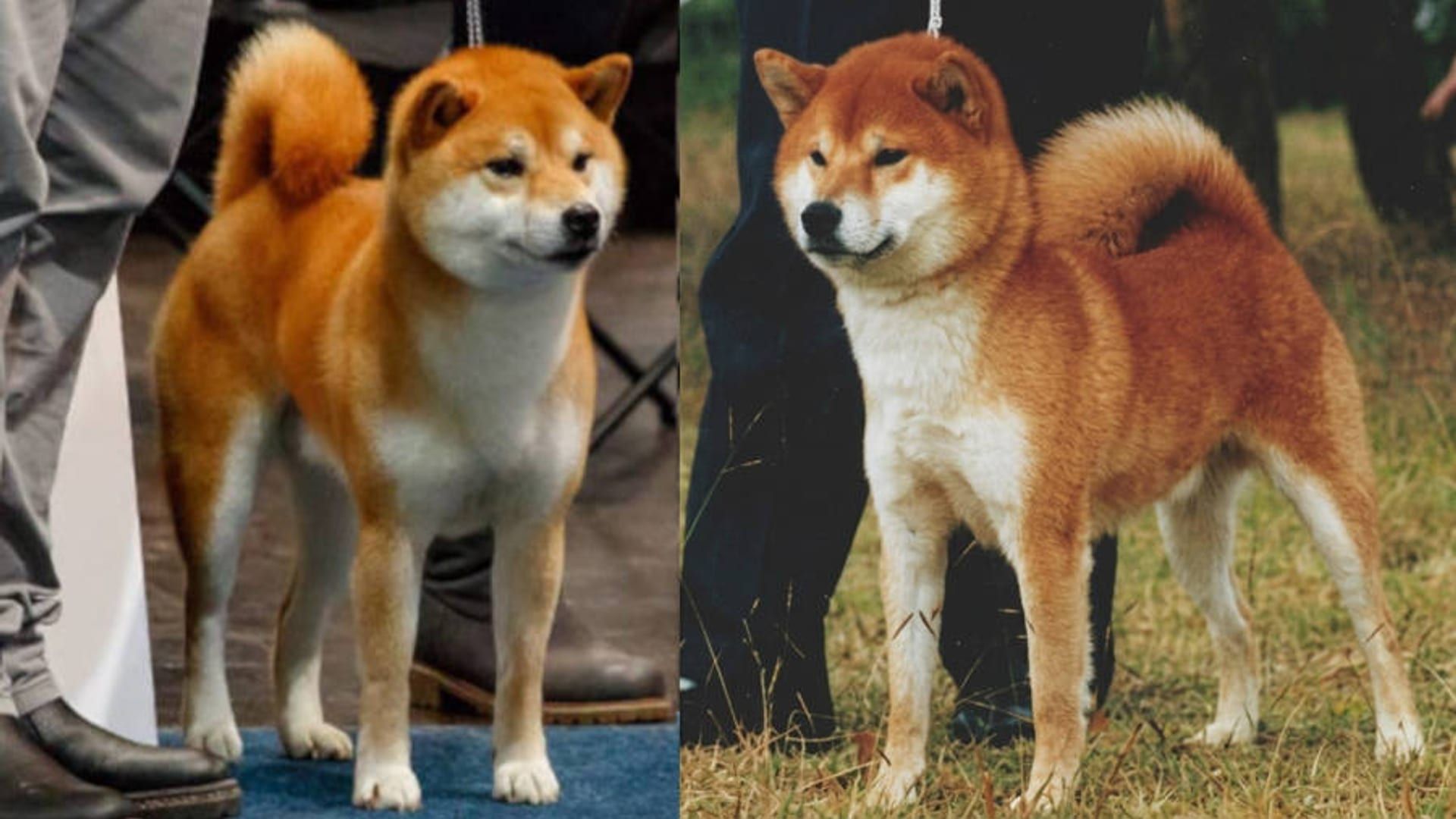
Shinjukawa's founder lines — the philosophy behind our kennel
Contents
- Ai We Sed So I'm So Special — the convergence of the BIS
- We-Sedso N'Murakumo No Tsurugi — sesame from the Ichisuke line
- Fuyumi Go Of Taiwan Kao Ming — the Taiwanese outcross
- The genealogical structure of Shinjukawa
- The results speak for themselves
- Why it matters for those choosing a puppy
Summary
Every serious kennel is built on precise foundations. Ours can be traced back to three dogs chosen with care for the quality of their bloodlines, the complementarity of their genetic heritage and the diversity of their origins. They are not three dogs bought at random — they are three pieces of a puzzle designed to build a solid, coherent and lasting breeding programme. In this article we tell who they are, where they come from and why their combination produced the results that set us apart.
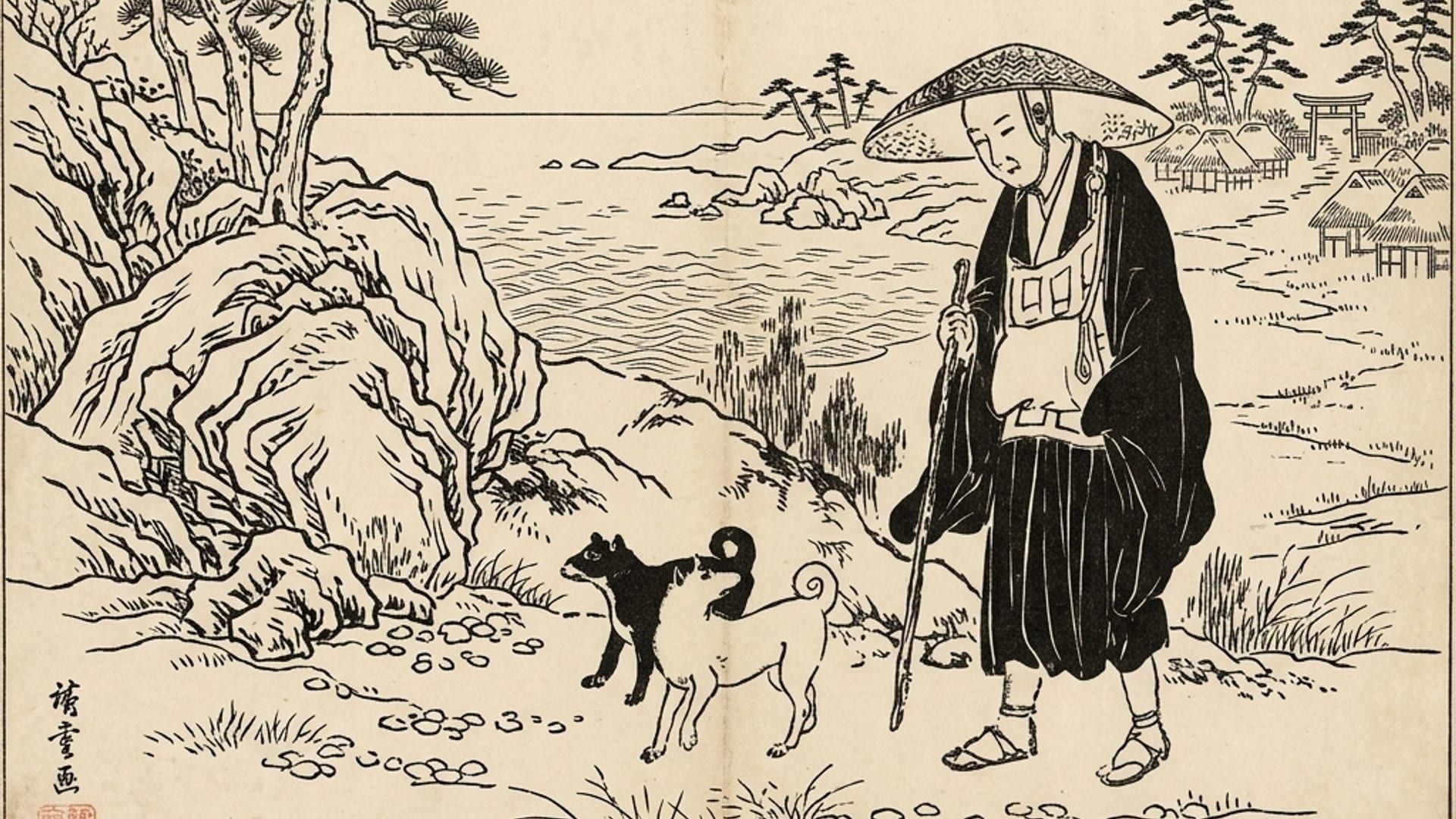
Morphology, function and the laws of the Shogun's Dog — how history shaped Japanese dogs
Contents
- Form follows function — but it is different for the Shiba
- Kan-i, ryōsei, soboku — the photograph of the Japanese dog
- Japan before the Shogun's Dog — hunting in the mountains
- Siebold's Kari Inu — the photograph of the proto-Shiba
- The Shogun's Dog — when the law changed everything
- The effect on dog selection
- Sakoku and genetic isolation
- From function to form — the circle closes
Summary
In modern cynology there is a fundamental principle: form follows function. Every physical and behavioural trait of a dog is not an aesthetic whim — it is the result of centuries of selection dictated by the work that dog had to perform. In Japanese dogs, this principle takes on a particular depth: the size, the independence of character, the silence, the agility are not random traits. They are the product of a unique environment — the Japanese mountains — of specific hunting techniques, and of a historical period in which the laws of a Shōgun known as "the Dog" and the social restrictions on hunting created the conditions for dogs with certain characteristics — first behavioural, then physical — to have a selective advantage over others.
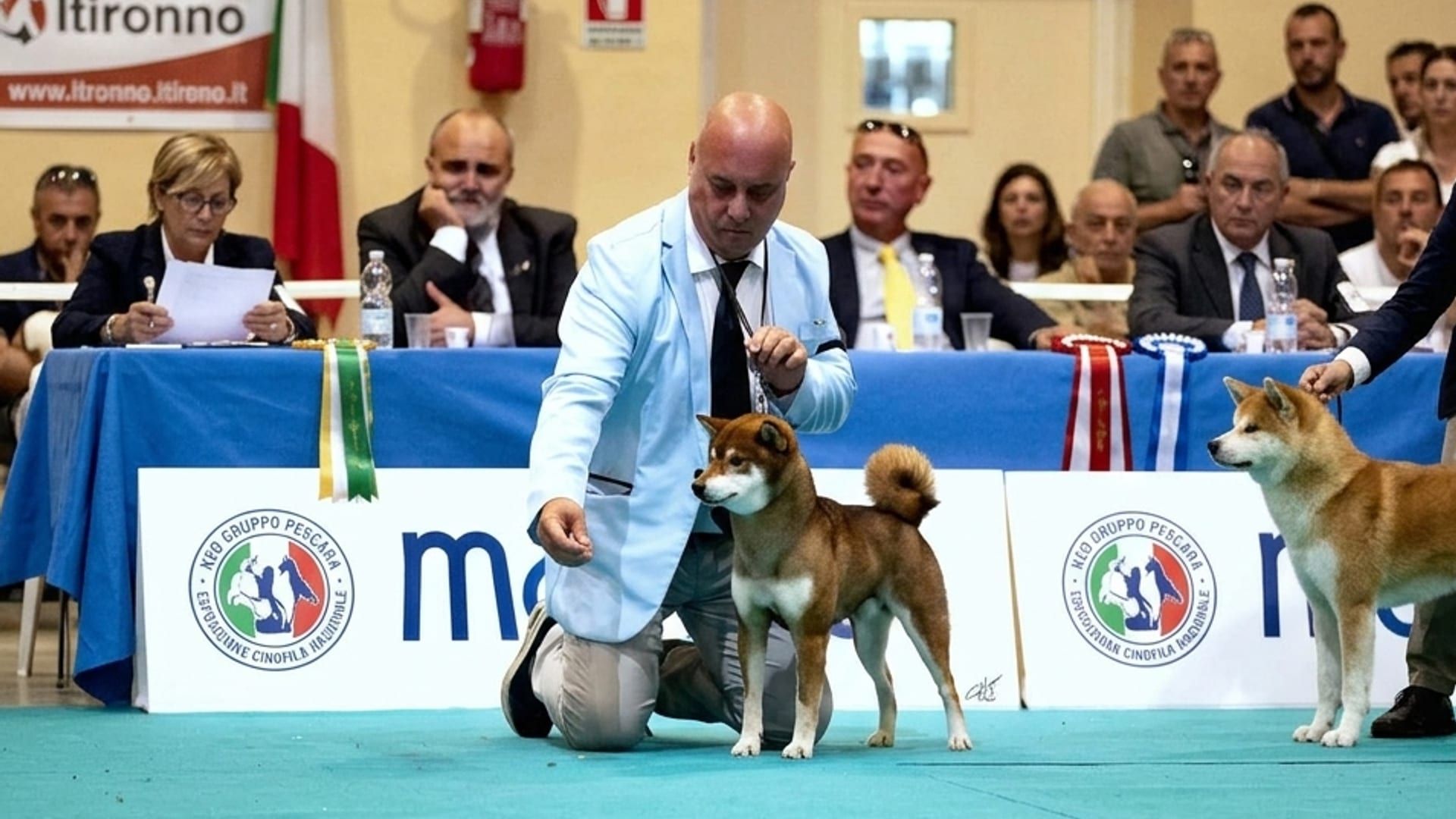
Scientific research on sesame coat colour genetics in the Shiba Inu
Contents
- One hair, several colours — what sesame really is
- The molecular competition that decides the colour
- The pendulum: what makes one or the other prevail
- The discovery: red sesame is genetically different
- An evolutionary clue in puppies
- What it means for breeders — and for those choosing a puppy
Summary
Sesame is the rarest and most debated coat colour of the Shiba Inu — and the least understood from a genetic point of view. Until 2022, the tests available were unable to distinguish a sesame dog from a red sesame one at the genetic level: two phenotypically different variants that were identical to the diagnostic tools. The study "ASIP Promoter Variants Predict the Sesame Coat Color in Shiba Inu Dogs", published in MDPI Veterinary Sciences and indexed on PubMed, resolved this enigma — and the Shinjukawa kennel contributed biological samples and genealogical data from its own breeding dogs. Andrea Fedele is cited among the contributors in the acknowledgements of the publication.
Shiba Inu Kennel in Isernia: Why We Chose Molise
Contents
- A Kennel in Molise: the Territory That Makes the Difference
- Our Selection: Only Certified Champions
- The Colours of the Shiba Inu
- Adopting a Puppy from Shinjukawa
- Frequently Asked Questions
Summary
Shinjukawa Kennel is a Shiba Inu kennel based in Isernia, in the heart of Molise. Since 2010 we have selected this Japanese breed with a precise criterion: every breeding dog must be a certified beauty champion and have passed tests to exclude hereditary diseases and temperament flaws. In over fifteen years of activity our dogs have won more than 134 titles among Italian, international and breed specialty shows. We are affiliated with ENCI and recognised by the FCI.
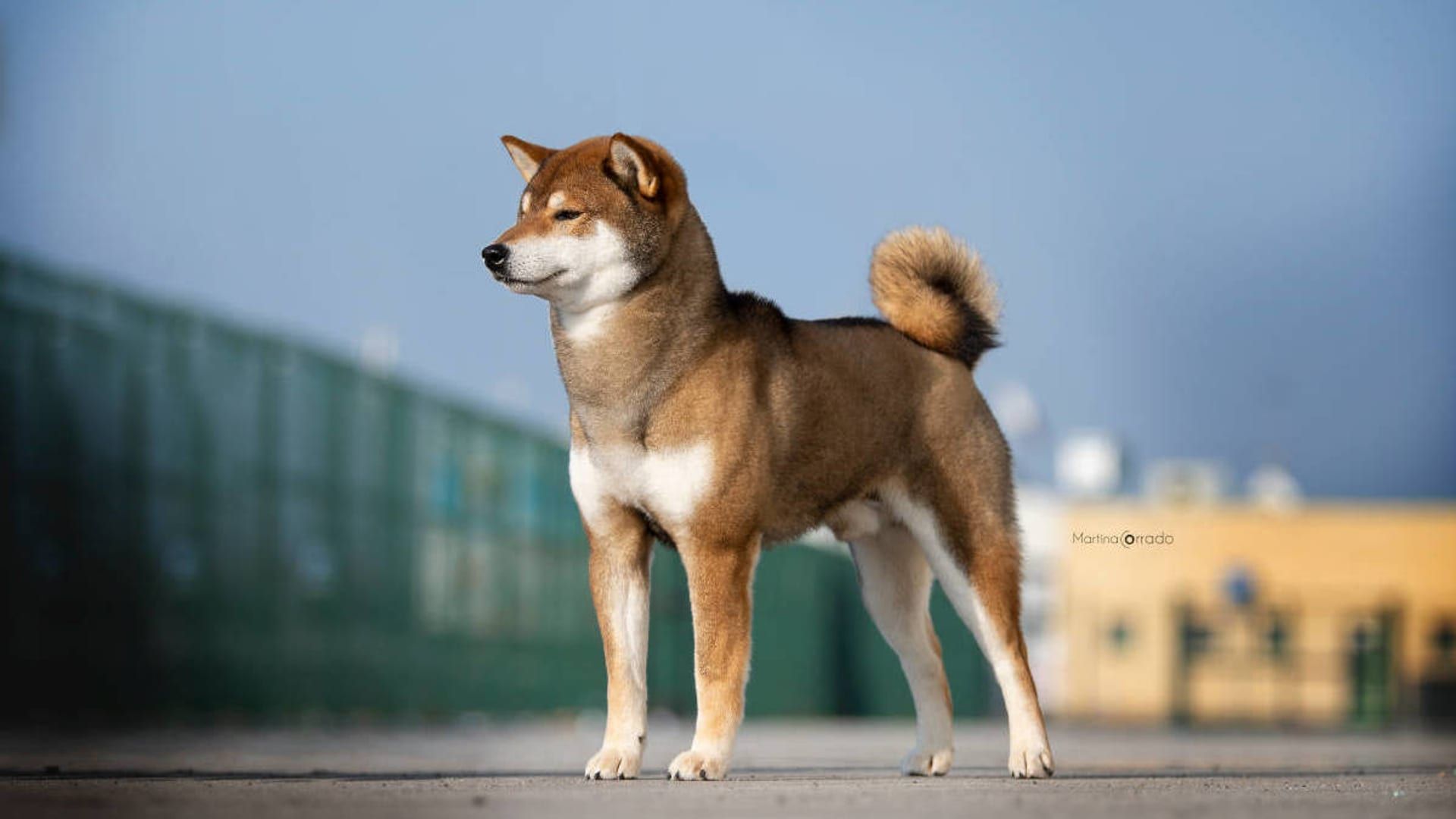
Was sesame the Shiba Inu's original colour? What evolutionary genetics says
Contents
- The question that seems obvious
- Two million years before the wolf
- And agouti? Isn't it the oldest?
- What it means for the Shiba Inu
- Which of the three original populations had sesame?
- Is the aw allele really "allochthonous"? Three objections
- What the science says
- The modern paradox
Summary
Sesame — the coat with hairs in alternating bands of light and dark pigment — is the rarest and most mysterious colour of the Shiba Inu. Many enthusiasts instinctively assume it is also the oldest: after all, it is the "wolf" pattern, the one of wild canids. But evolutionary genetics tells a far more surprising story. Thanks to the study by Bannasch and colleagues published in 2021 in Nature Ecology & Evolution, we know that the oldest colour in canids is not sesame — it is yellow/red, shared with the white Arctic wolves and originating from an extinct canid more than 2 million years ago.
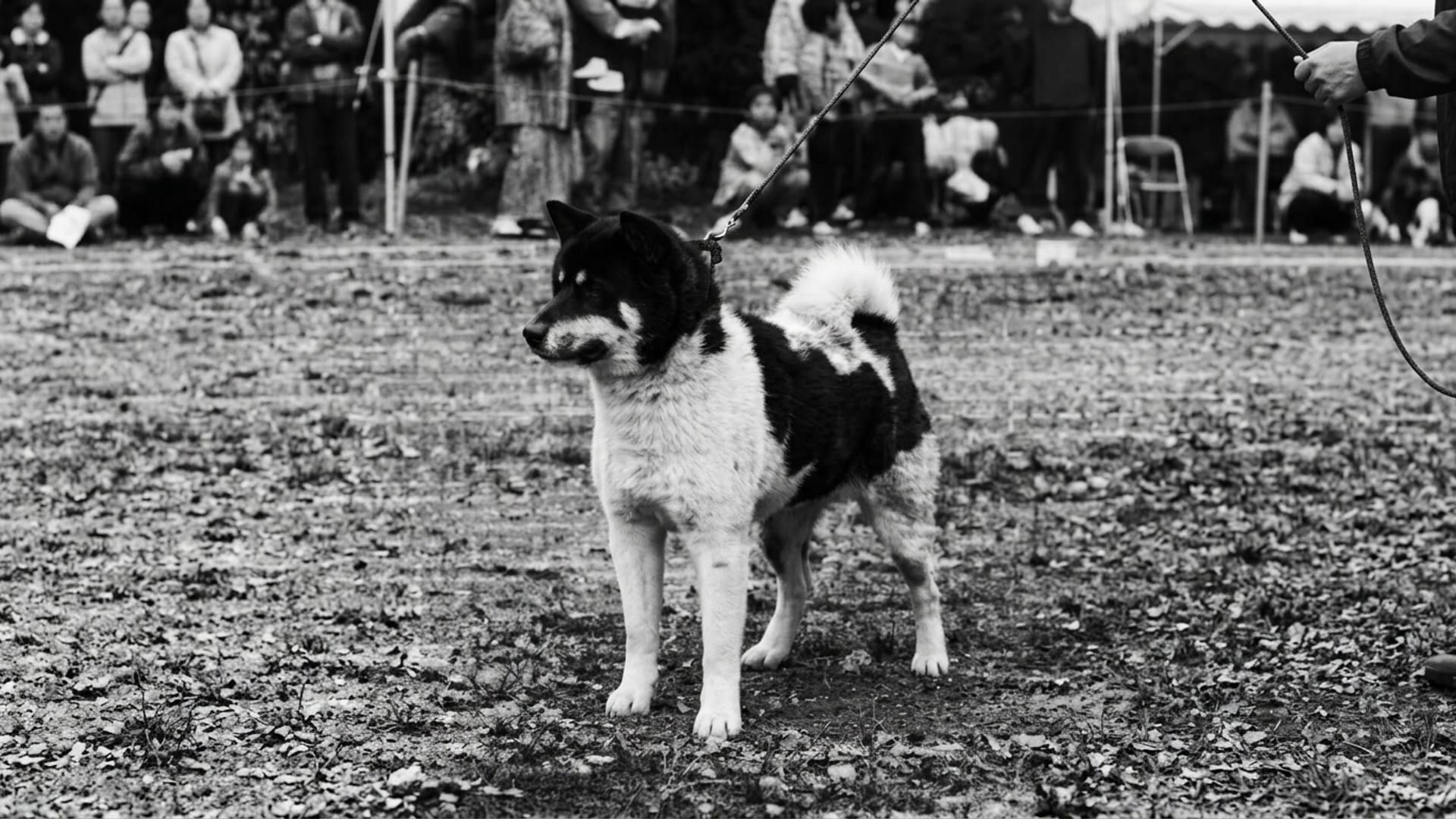
The Pinto mystery in the Shiba Inu — genetics, history and how to spot it
Contents
- When the DNA test lies
- The textbook genetics — that does not apply to the Shiba
- The ugly dog that saved the breed — the story of Korotama Go
- The manifestations of the pinto — the optical illusion
- Inside the mouth — the knowledge handed down by old Japanese breeders
- What it means for selection
Summary
Every now and then, one comes across a Shiba with evident asymmetric white patches where it should not have them — a piebald or Pinto. For the Nippo standard it is a fault to be penalised, and yet at times it appears without any apparent reason. It is a known problem in the breed, but preventing it is not as simple as it seems. While for other breeds a simple DNA test is enough, it has been discovered that these are ineffective for the Japanese breeds. Behind this mystery there is a fascinating story that begins in postwar Japan, an off-standard dog that saved the breed from extinction, and an allele that travels silently through the pedigrees of thousands of Shiba around the world.
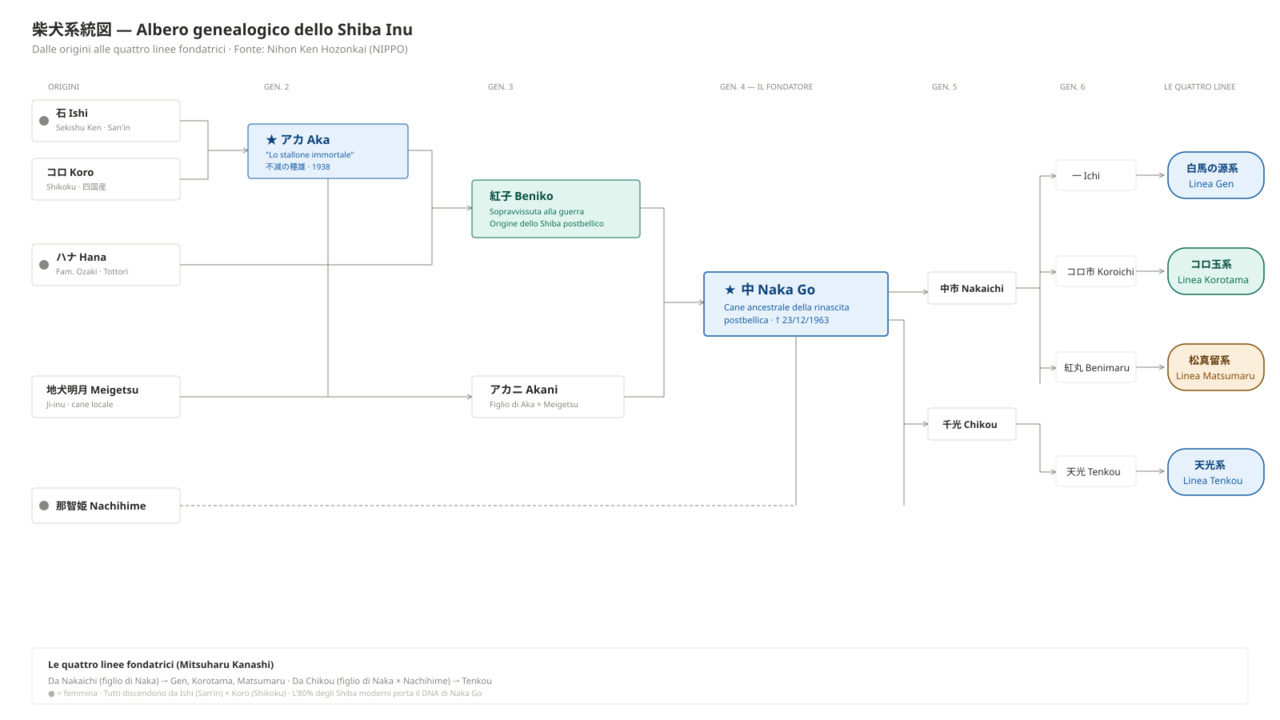
The four founder lines of the modern Shiba Inu
Contents
- Why only four
- The Gen line — Hakuba No Gen Go Roukakusou
- The Korotama/Ichisuke line — from the pinto to glory
- The Tenkou line — Tenko Go Jonenso
- The Matsumaru line — Matsumaru Go Shinshu Nakajimaso
- Beyond the four — other fundamental studs
- The new lines — evolution continues
- Why it matters for those choosing a puppy
Summary
Every Shiba Inu alive today can be traced back, through its pedigree, to four founder lines identified by Mitsuharu Kanashi — a judge of the Nippo (Nihon Ken Hozonkai) and one of the association's reference figures, with encyclopaedic knowledge of the breed's genealogies. Kanashi identified four studs around which, in the postwar period, the reconstruction of the Shiba after its near-extinction crystallised: Gen, Korotama (Ichisuke), Tenkou and Matsumaru. Several decades have passed since his analysis, and new lines have meanwhile established themselves, but the fundamental structure remains: most modern Shiba carry in their pedigree the name of at least one of these four dogs.
Bloodlines in dog breeding — what they are and why they matter
Contents
- Breed, line and pedigree — three different things
- How a bloodline is born
- The heart of the matter — homozygosity and predictability
- The breeder's three tools — inbreeding, linebreeding and outcross
- The coefficient of inbreeding — the thermometer of the line
- Bloodlines and knowledge — why "working on the same lines since 2010" matters
- Why it matters for those choosing a puppy
Summary
In the world of dog breeding one constantly hears talk of "bloodlines", yet rarely does anyone explain what it really means. It is not a synonym for breed, it is not a synonym for pedigree, and it is not a vague or romantic concept. A bloodline is a group of dogs within a breed that share common ancestors and, consequently, recognisable and predictable traits — morphological, temperamental and genetic. Understanding how lines work is understanding how breeding itself works.
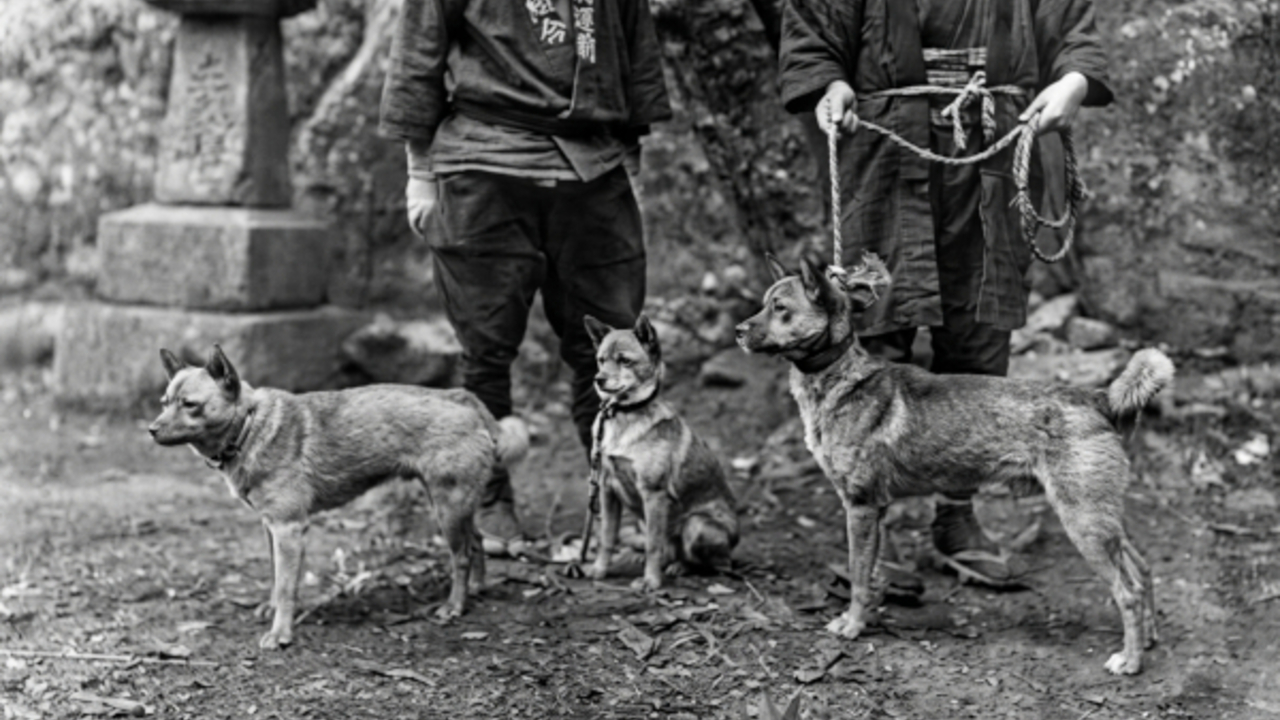
Shinshu, Mino and San'in — the three populations behind every Shiba Inu
Contents
- Local dogs, not breeding breeds
- The Shinshu — the dogs of Nagano
- Naka Go — the father of the modern Shiba who was not Shinshu
- The Mino — the mahogany of Gifu
- The San'in — the great black of the north-east
- The discovery, the catastrophe, the fusion
- From village dogs to a worldwide breed
Summary
Before the Second World War, "the Shiba Inu" as we know it today did not exist. There were three regional populations of hunting dogs, each shaped by centuries of geographic isolation in the Japanese mountains: the Shinshu from Nagano Prefecture, the Mino from Gifu Prefecture, and the San'in from the prefectures of Tottori and Shimane. They were not breeds raised according to a programme: they were landraces — local populations made uniform by the environment, not by the hand of man. It was only in the twentieth century that Japanese scholars recognised them, classified them, and after the breed's near-extinction in the postwar period fused them into a single standardised breed — the modern Shiba Inu.